

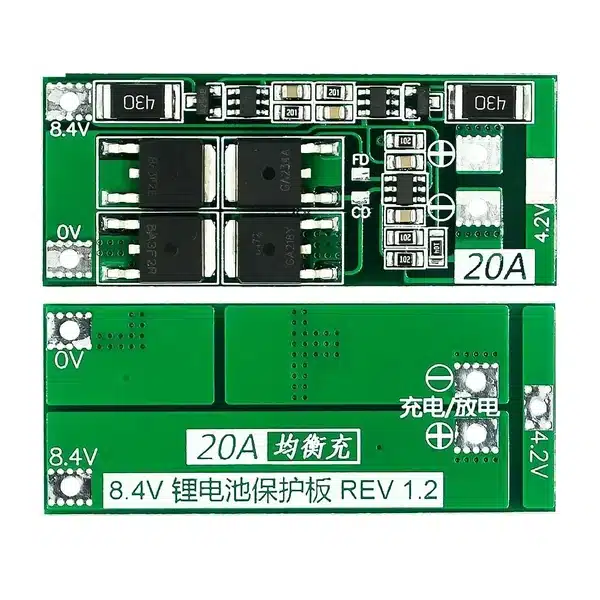


2S 20A Lithium Battery BMS with Balancing 7.4V
Original price was: ₵35.00.₵32.00Current price is: ₵32.00.
The 2S 20A Lithium Battery BMS with Balancing protects 7.4V lithium-ion battery packs against overcharging, over-discharging, overcurrent and short circuits. It features passive cell balancing, an advertised 20A discharge rating and a compact design for 18650 battery packs, robotics and rechargeable electronics.
20 in stock
The 2S 20A Lithium Battery BMS is a battery protection and balancing board designed for two 3.7V lithium-ion or LiPo cells connected in series.
It provides essential protection against overcharging, excessive discharge, overcurrent and short circuits while incorporating passive cell balancing to help maintain similar voltages across the two cells during charging.
Designed for 7.4V nominal battery packs with an 8.4V full-charge voltage, this compact BMS is suitable for DIY rechargeable batteries, robotics, portable power supplies, battery-powered equipment and electronics projects.
Key Features
- 2S Battery Protection: Designed for two lithium-ion cells connected in series.
- 20A Discharge Rating: Advertised maximum working-current capability under suitable operating conditions.
- Cell Balancing: Passive balancing circuitry helps reduce voltage differences between the two cells during charging.
- Overcharge Protection: Helps prevent individual cells from exceeding their permitted charging voltage.
- Over-Discharge Protection: Disconnects the load when a cell reaches the protection threshold.
- Overcurrent Protection: Interrupts excessive current to protect the battery pack.
- Short-Circuit Protection: Disconnects the output during detected short-circuit conditions.
- Common-Port Design: Shared charging and discharging connections through P+ and P-.
- Compact PCB: Suitable for integration into rechargeable battery packs and electronic equipment.
Technical Specifications
| Specification | Details |
|---|---|
| Product Type | Lithium Battery BMS Protection Board |
| Battery Configuration | 2S |
| Board Version | Balanced, REV 1.2 |
| Compatible Battery Chemistry | Li-ion / LiPo |
| Nominal Battery Voltage | 7.4V |
| Full-Charge Voltage | 8.4V |
| Advertised Discharge Current | Up to 20A |
| Balancing Function | Passive Cell Balancing |
| Number of Series Cells | 2 |
| Protection Functions | Overcharge, Over-Discharge, Overcurrent, Short Circuit |
| Charging/Discharging | Common Port |
| Battery Connections | 0V, 4.2V, 8.4V |
| External Connections | P+, P- |
| PCB Colour | Green |
| Approximate Dimensions | 48 x 20mm |
| Battery Charging Circuit | Not Included |
Applications
1. 18650 Lithium Battery Packs
Build protected 7.4V rechargeable battery packs using two compatible 18650 cells connected in series.
DIYGH stocks 18650 Li-ion Rechargeable Batteries 3.7V 2500mAh for suitable rechargeable power projects.
2. Robotics Projects
Use the BMS in compatible battery-powered robots, mobile platforms and automated electronic systems that operate from a 2S lithium battery pack.
3. Portable Power Supplies
Build compact rechargeable power systems for electronic instruments, controllers and portable equipment.
4. Rechargeable Audio Equipment
Suitable for protecting compatible 7.4V lithium battery packs used in portable speakers and custom audio systems.
5. Battery Pack Repairs
Replace a faulty BMS in a compatible 2S battery pack where the original board’s protection characteristics, current rating and connection arrangement match.
6. STEM and Electronics Education
Demonstrate lithium battery protection, series connections, cell-voltage monitoring, passive balancing and battery management principles.
How the 2S 20A Lithium Battery BMS Works
The BMS monitors the voltages of both lithium cells and controls charging and discharging through electronic switching devices.
During normal operation, current flows between the battery pack and the connected equipment.
When the protection circuit detects an abnormal condition, such as excessive cell voltage, low cell voltage or excessive load current, it can disconnect the appropriate current path.
The balancing circuit also helps reduce differences between the two cell voltages during charging.
Understanding Passive Cell Balancing
Two lithium batteries connected in series do not always charge at exactly the same rate.
Small differences in capacity, internal resistance and cell condition can cause one cell to reach its full-charge voltage before the other.
The balanced version of this BMS includes circuitry that can dissipate a small amount of energy from the higher-voltage cell near the top of charging, helping the lower-voltage cell catch up.
This is called passive cell balancing.
Balancing does not repair damaged batteries or make mismatched cells suitable for use together. Always use cells with compatible specifications and similar condition.
Battery Connection Terminals
The supplied PCB identifies the following connection points.
| Board Marking | Connection |
|---|---|
| 0V | Battery pack negative |
| 4.2V | Junction between the two series-connected cells |
| 8.4V | Battery pack positive |
| P+ | Protected positive connection for charger and load |
| P- | Protected negative connection for charger and load |
The 4.2V terminal provides the midpoint connection required to monitor the individual cell voltages.
The P+ and P- terminals are used for the external load and a compatible battery charger.
Important: The 0V, 4.2V and 8.4V labels identify the battery connection positions. They should not be interpreted as fixed regulated outputs.
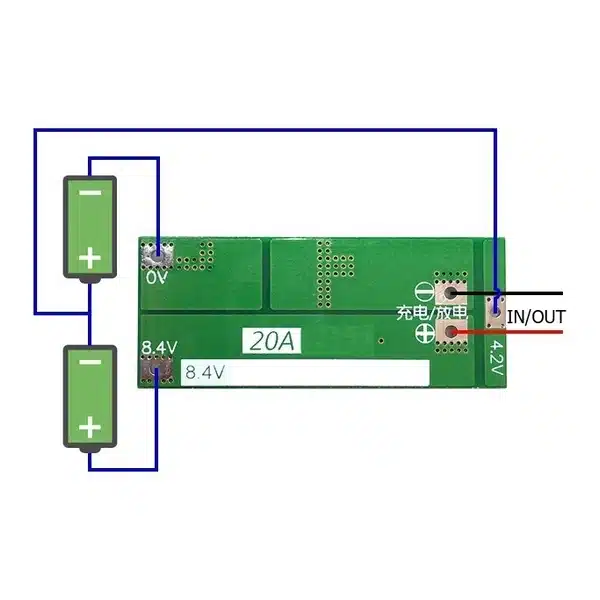
How to Connect a 2S Lithium Battery Pack
- Prepare two compatible lithium-ion cells with closely matched voltage, capacity and condition.
- Connect the cells in series to form a 7.4V nominal battery pack.
- Connect the pack negative to the 0V terminal.
- Connect the midpoint between the two cells to the 4.2V terminal.
- Connect the pack positive to the 8.4V terminal.
- Verify the cell and pack voltages using a multimeter.
- Connect the external load and suitable battery charger through the designated P+ and P- terminals.
- Test the protection board before putting the completed battery assembly into service.
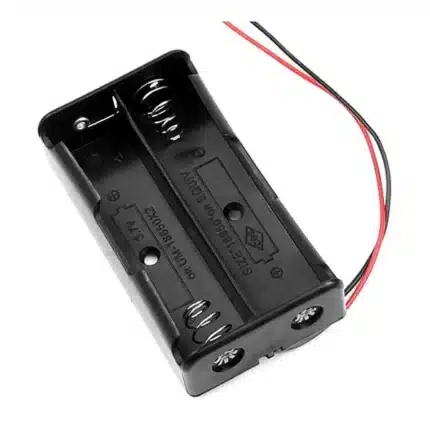
For battery mounting, DIYGH stocks the 2-Slot 18650 Battery Holder Case. Check the holder’s internal connections and current capability before using it in a 2S battery pack.
Does This BMS Charge the Battery?
No. This BMS provides protection and balancing, but it does not independently generate the required battery charging voltage or regulate charging current.
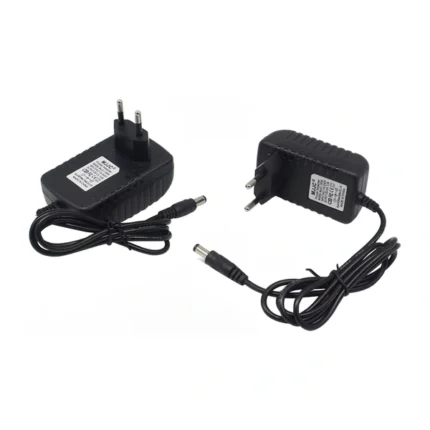
A standard 2S lithium-ion battery pack requires a suitable 8.4V CC/CV lithium battery charger.
DIYGH also stocks the 2S/3S Type-C Lithium Battery Charger Module (IP2326), which supports a selectable 2S charging configuration.
The charger must be correctly configured, and its current must remain within the ratings of the battery cells and protection board.
Comparing DIYGH TECH HUB 2S Battery Protection Boards
DIYGH offers different 2S protection boards for different project requirements.
2S 8A Lithium Battery Protection Board
Suitable for lower-current projects requiring basic lithium battery protection.
2S 13A Lithium Battery BMS
An alternative for projects requiring a higher advertised current rating.
2S 20A Balanced Lithium Battery BMS
Offers a higher advertised discharge-current capability and dedicated passive cell-balancing circuitry.
Choose the appropriate board based on the battery configuration, cell specifications, actual load current and thermal conditions.
Important Safety Information
- Use only compatible 3.6V/3.7V nominal Li-ion or LiPo cells.
- Do not use with 3.2V LiFePO4 cells.
- Never reverse the battery connections.
- Confirm the 0V, 4.2V and 8.4V connections before applying power.
- Use matched battery cells suitable for the intended discharge current.
- The advertised 20A rating does not guarantee sustained 20A operation under every temperature or cooling condition.
- Use appropriately rated wiring, connectors and insulation.
- Always use a suitable 8.4V lithium-ion charging circuit.
- Do not bypass the BMS to operate a damaged battery.
- Do not charge damaged, swollen or overheated lithium cells.
- Protect the completed battery assembly against moisture, mechanical damage and accidental short circuits.
Package Includes
- 1 x 2S 20A Lithium Battery BMS with Balancing, REV 1.2
Battery cells, charger, wires and enclosure are not included.
Available from DIYGH Tech Hub, Apatrapa Junction, Kumasi, Ghana, for rechargeable battery packs, robotics, portable electronics and engineering projects.
Related products

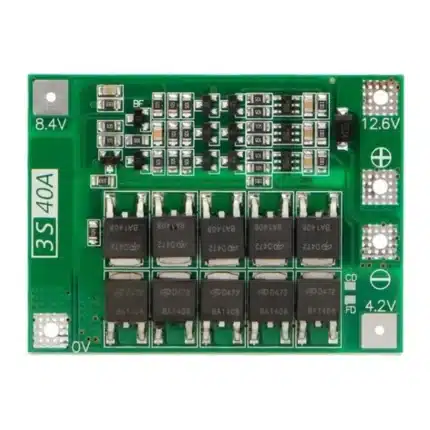
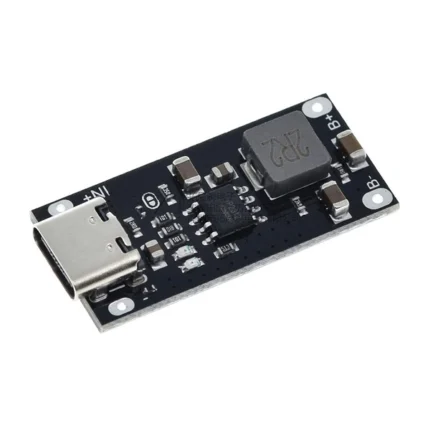
IP2312 3A Type-C Lithium Battery Charger Module 4.2V
The IP2312 3A Type-C Lithium Battery Charger Module provides efficient charging for single-cell 3.7V Li-ion and LiPo batteries. It features a USB-C input, up to 3A charging current, 4.2V CC/CV charging control and LED status indicators, making it suitable for rechargeable electronics and battery-powered projects.
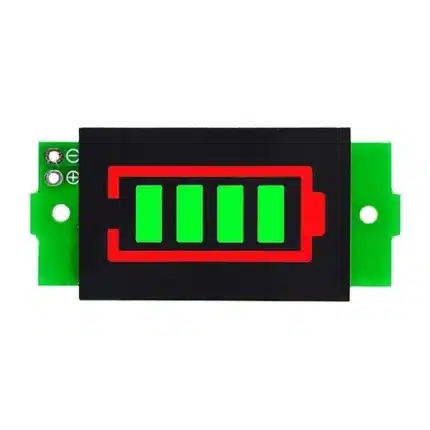

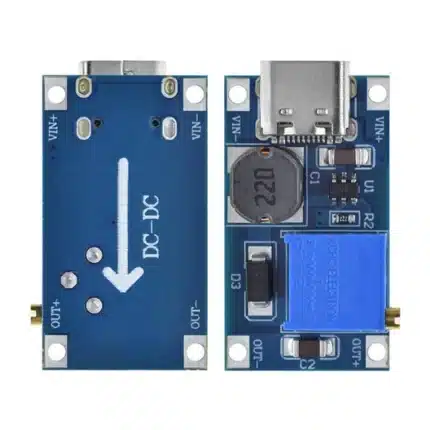
LM2596 DC-DC Buck Converter Module | Adjustable Step-Down Regulator (3A)
Drop high voltage down to what you need. The LM2596 is a high-efficiency "Step-Down" converter. It allows you to take a high voltage source (like a 12V battery or 24V solar panel) and reduce it to a specific lower voltage (like 5V or 3.3V) to power your electronics.
-
Input: 3V - 40V DC.
-
Output: 1.5V - 35V DC (Adjustable).
-
Current: Max 3A.
-
Best For: Powering Arduinos from 12V batteries, Solar Projects, and LED Drivers.
Reviews
There are no reviews yet.